
Newsletter Subscribe
Enter your email address below and subscribe to our newsletter

 Bywinpeas
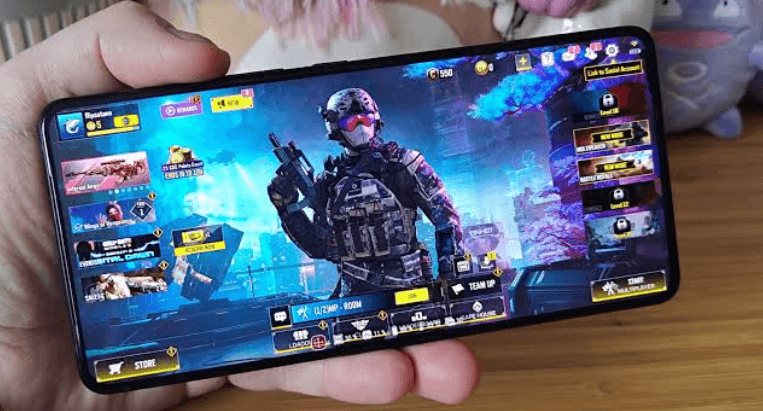
Mobile gaming has become one of the largest segments of the gaming industry, allowing millions of people to enjoy games anytime and anywhere using smartphones and tablets. Thanks to powerful mobile processors, improved graphics, faster internet connections, and app stores filled with thousands of games, mobile gaming now offers experiences that range from simple puzzles to competitive multiplayer titles with console-like graphics.
Whether you’re a casual player or a competitive gamer, mobile gaming provides entertainment, social interaction, and accessibility without requiring expensive gaming hardware. This guide explains what mobile gaming is, how it works, its key features, benefits, popular genres, applications, challenges, and best practices.
Mobile gaming refers to playing video games on portable devices such as smartphones and tablets. Games are downloaded through official app stores or accessed through cloud gaming services, allowing users to play across a wide variety of genres and experiences.
Modern mobile games support both offline and online gameplay, with many offering multiplayer features, cloud saves, and cross-platform compatibility.
Players download games from official app stores and install them on their mobile devices.
The smartphone’s processor and graphics chip render game environments, animations, and visual effects.
Most mobile games use touchscreen controls, while some also support external controllers.
Online games use Wi-Fi or mobile data for multiplayer gameplay, updates, cloud saves, and in-game events.
Many games synchronize player progress across multiple devices using cloud storage.
Modern smartphones can deliver detailed graphics, realistic lighting, and smooth animations.
Many games allow players to compete or cooperate with friends and users worldwide.
Some games let mobile players connect with users on PCs or gaming consoles.
Player progress can be backed up and restored across supported devices.
Developers regularly release new content, bug fixes, and seasonal events.
Many mobile devices support Bluetooth controllers for a more traditional gaming experience.
Fast-paced gameplay focused on combat, movement, and quick reactions.
Large numbers of players compete until only one player or team remains.
Players develop characters, complete quests, and explore virtual worlds.
Focus on planning, resource management, and tactical decision-making.
Players compete using cars, motorcycles, or other vehicles across various tracks.
Simulate sports such as football, basketball, cricket, golf, and racing.
Challenge players with logic, matching, and problem-solving mechanics.
Allow players to build cities, manage businesses, or experience realistic scenarios.
Games can be played almost anywhere using a smartphone or tablet.
Many mobile games are free to download or available at a relatively low cost.
Players can choose from thousands of genres and gameplay styles.
Multiplayer games encourage teamwork, competition, and communication with other players.
Many games receive new levels, characters, events, and improvements throughout the year.
A fast processor improves frame rates and overall responsiveness.
Displays with higher refresh rates provide smoother gameplay and animations.
More memory helps games load faster and improves multitasking.
Modern storage technology reduces loading times.
High-capacity batteries support longer gaming sessions.
Good thermal management helps maintain consistent gaming performance.
Play games during breaks, travel, or leisure time.
Participate in ranked matches and online tournaments.
Educational games help develop problem-solving, memory, and learning skills.
Many games include chat systems, friend lists, and cooperative gameplay.
Gamers create live streams, gameplay videos, and tutorials for online audiences.
High-performance games can drain battery power quickly.
Long gaming sessions may cause smartphones to become warm.
Modern games often require significant storage space.
Many multiplayer games require a stable internet connection.
Some games include optional purchases that may enhance or customize gameplay.
Install the latest operating system and game updates for improved compatibility and performance.
Reducing background activity frees system resources for gaming.
Keep enough free storage space for updates and smooth performance.
Wi-Fi generally provides a more reliable connection for online multiplayer games.
Lower graphics settings on demanding games if you experience lag or reduced frame rates.
Regular breaks help reduce eye strain and improve overall comfort during extended gaming sessions.
Play games anytime and almost anywhere.
Developers frequently introduce new technologies, game modes, and features.
Millions of players worldwide participate in mobile gaming across many genres.
App stores continue to add new games for every type of player.
Mobile gaming is the practice of playing video games on smartphones or tablets using touchscreen controls or supported external accessories.
Yes. Many modern smartphones are capable of running games with advanced graphics, realistic effects, and smooth performance, although results vary depending on the device and game.
Not always. Many games can be played offline, while online multiplayer games typically require an active internet connection.
No. Many standard smartphones can run popular games well. Gaming-focused phones may offer features such as enhanced cooling, higher refresh rate displays, and larger batteries for demanding users.
Keeping your device updated, closing unnecessary background apps, maintaining free storage space, using a stable internet connection, and adjusting graphics settings can help improve gaming performance.
Mobile gaming has evolved into a powerful and accessible form of entertainment, offering experiences that range from simple casual games to competitive multiplayer titles with impressive graphics and gameplay. Modern smartphones provide the processing power, displays, and connectivity needed for enjoyable gaming across a wide variety of genres. By choosing suitable hardware, optimizing device performance, and following good gaming practices, players can enjoy smooth, engaging, and convenient gaming experiences wherever they go.
